

Cerrar
Productos
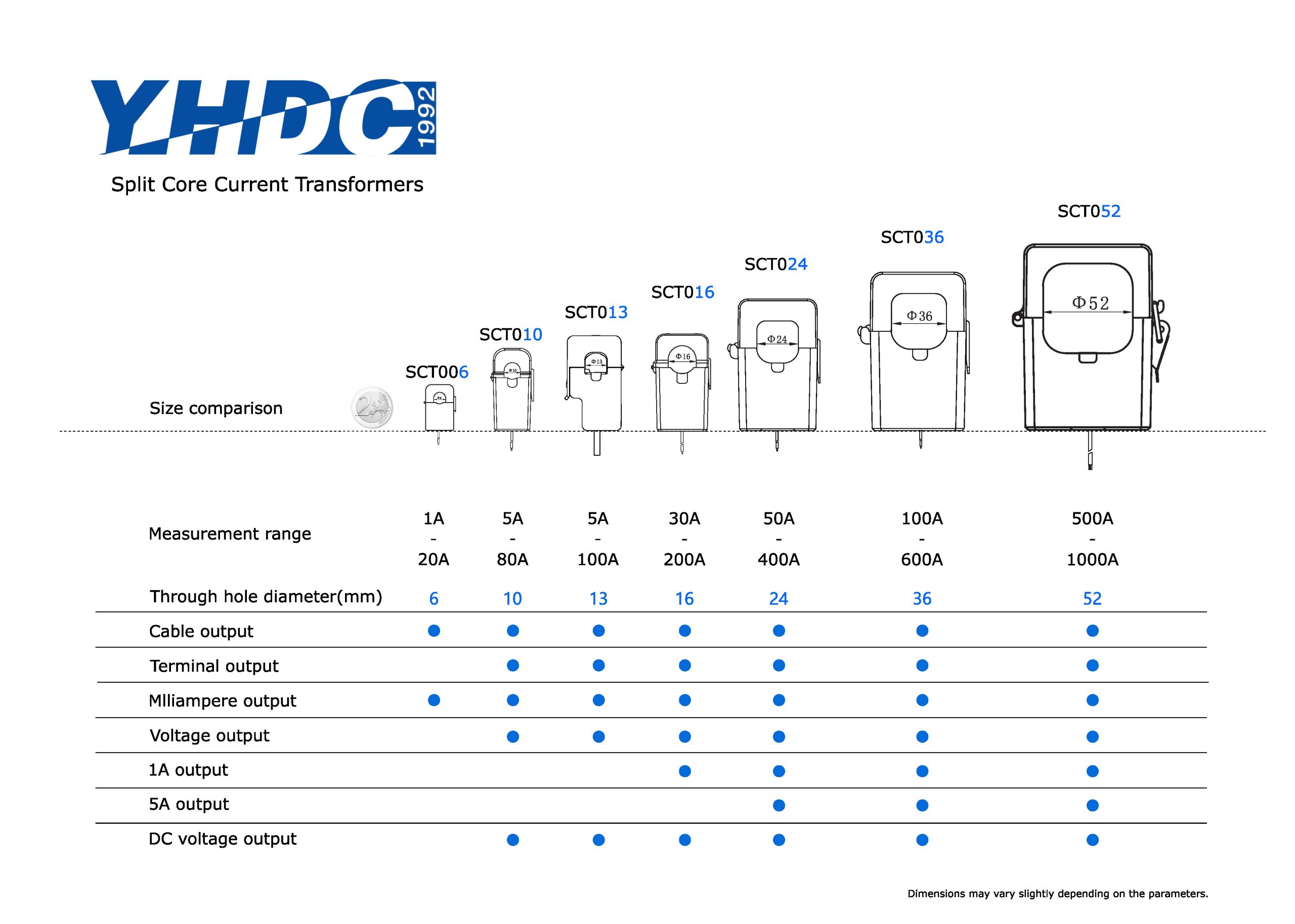
Transformadores de corriente de núcleo partido
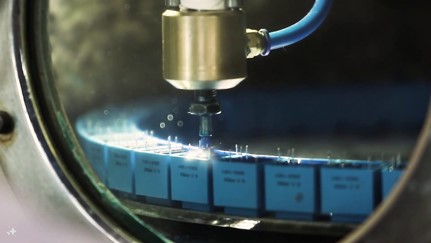
Potencial de cavitación, lo que provoca descargas parciales, puntos calientes y grietas por ciclos térmicos
La vida útil puede reducirse entre un 40 y un 60%
Evacúa el aire a ≤5 mbar
Inyecta resina epoxi UL94V-0 y cura en un entorno sin humedad
Mejora significativamente el rendimiento del aislamiento y la estabilidad térmica
Un transformador para dispositivo médico encapsulado al vacío superó una prueba de envejecimiento acelerado de 50.000 horas.
Un dispositivo no encapsulado al vacío falló después de 18.000 horas.
| Factor de estrés | Consecuencia | Beneficio del moldeado al vacío |
|---|---|---|
| Vibración (5–2000Hz) | Fatiga del cable | Amortigua la resonancia un 300% mejor |
| Choque térmico (-40~125°C) | Grietas en las uniones de soldadura | Absorción de resina con CTE compatible |
| Humedad (85% HR) | Trayectorias de corrosión | Barrera de permeabilidad cero |
–No confíe únicamente en la ficha técnica; solicite:
–Escaneo de rayos X que muestre la distribución de vacíos
–Informe de sección transversal que mida el tamaño de las burbujas
–Prueba de choque térmico (-55°C a +150°C, 500 ciclos)
–Prueba de descarga parcial <5 pC (a 2 veces la tensión de funcionamiento)
Los transformadores PCB de YHDC utilizan tecnología de conformado al vacío, lo que da como resultado un rendimiento extremadamente alto de resistencia a la tensión, una mayor resistencia a los choques mecánicos y un rendimiento mecánico estable en entornos de alta y baja temperatura. Son adecuados para aplicaciones de alta fiabilidad, como electrónica médica, militar, de control industrial y automotriz.




Copyright © 2026 PowerUC Electronics Co.