



Solar modules output DC power, which is combined, boosted, inverted, and then supplied to loads or connected to the grid. Irradiance, temperature, shading, module aging, and load changes all affect generation current. Current sensors and current transformers therefore do more than measure current: they help improve generation efficiency, protect system safety, support intelligent operation and maintenance, and enable accurate metering.
PV arrays and combiner boxes
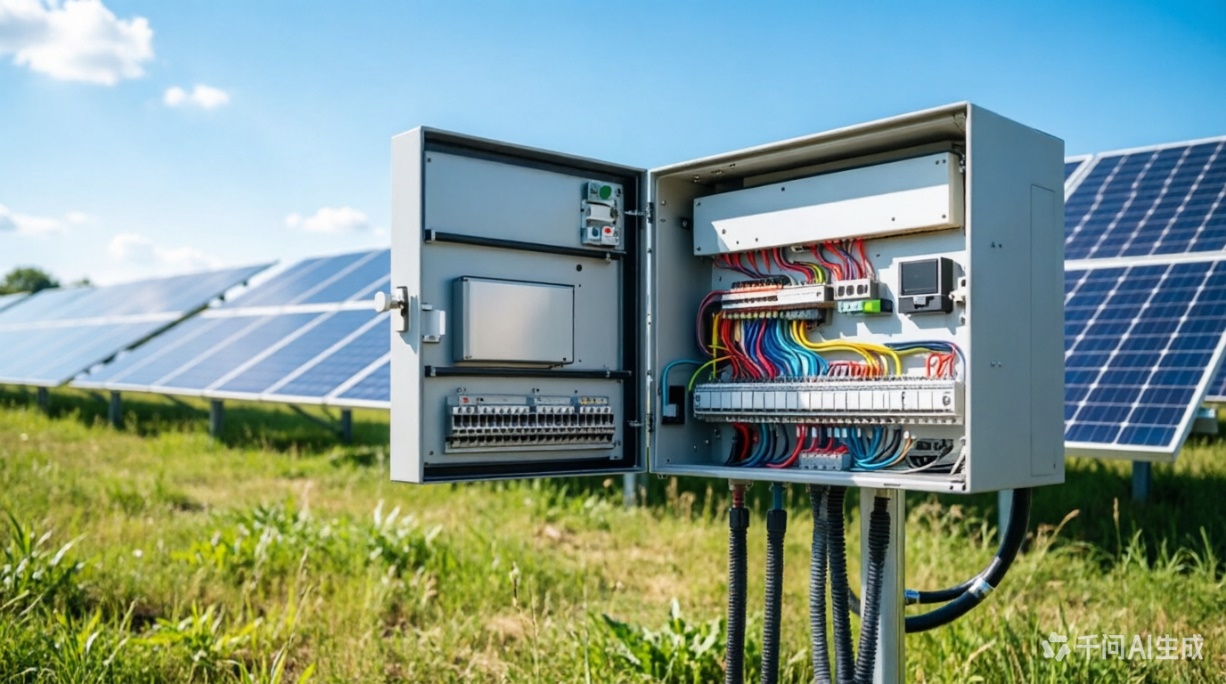
A photovoltaic plant is usually built from many modules connected in series and parallel. The output of each string can be affected by sunlight, dust, hot spots, loose wiring, damaged modules, and other site conditions. If only the total current is monitored, an abnormal string can be difficult to detect quickly.
Hall current sensors and DC current transducers are suitable for string monitoring and combiner-box sampling. They measure DC current with electrical isolation and convert it into voltage, current, or digital signals that can be read by an MCU, acquisition board, or monitoring system.
HTS25 is often used to monitor the current of an individual PV string. As a closed-loop Hall current sensor, it measures DC, AC, pulse, and mixed currents, with electrical isolation, fast response, low temperature drift, compact size, and convenient PCB mounting. When installed in a string or combiner-box sampling circuit, it can help detect shading, open circuits, module faults, or poor contact when one channel becomes low, zero, or unstable.
MPPT control
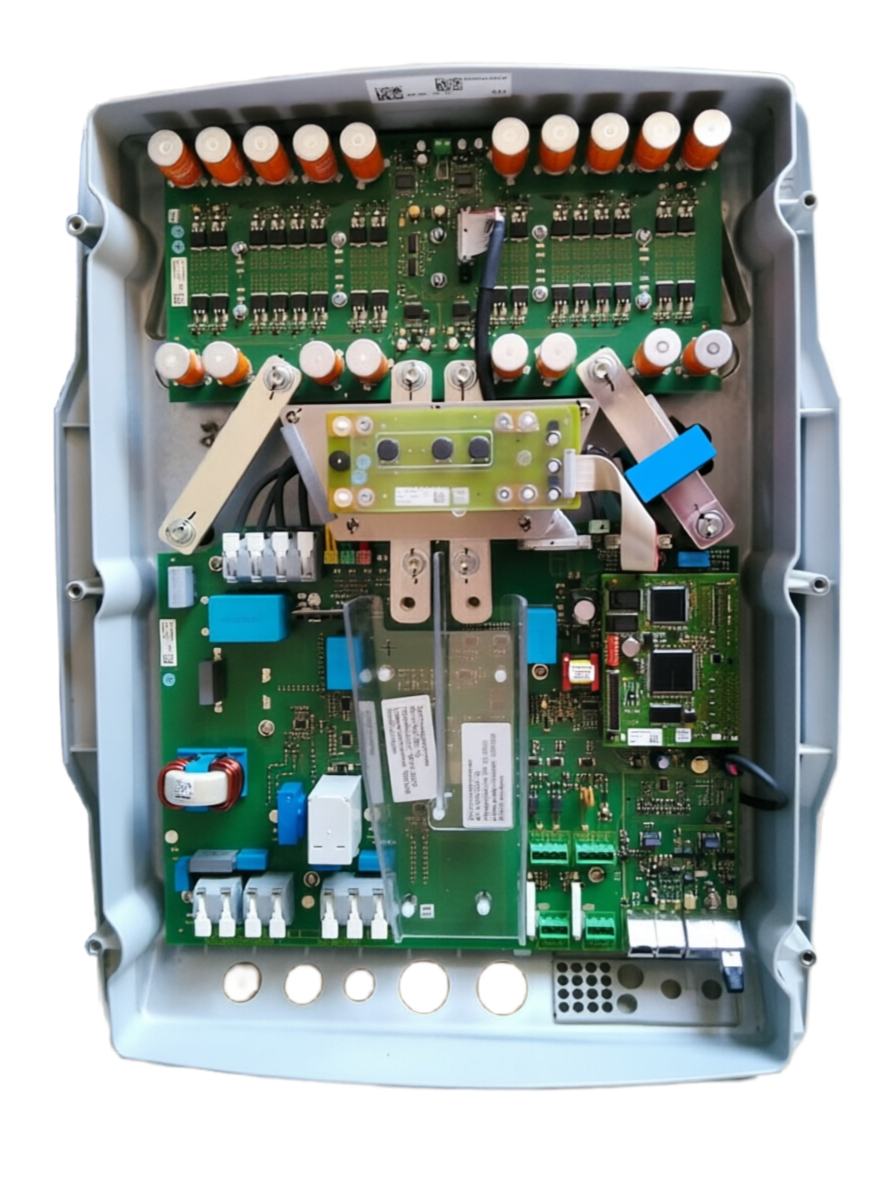
The output power of a PV module is not fixed. It changes continuously with sunlight, temperature, and load. To keep the module operating near its maximum power point, a solar controller or inverter performs MPPT, or maximum power point tracking.
MPPT relies on real-time PV-side voltage and current data. The controller calculates power changes and adjusts the DC/DC or inverter control strategy to improve energy conversion efficiency. Current sensor accuracy, response speed, and temperature drift are therefore critical. Inaccurate current data shifts the calculated power point away from the real operating point, while slow response can miss fast irradiance or load changes.
Closed-loop Hall current sensors are well suited to the PV input side of MPPT systems because they support DC measurement and provide strong dynamic response in control loops. HTS25 can serve as an input-current sensor for smaller distributed PV devices, while HA55 can be selected for larger DC bus or centralized input circuits.
DC bus and total generation monitoring
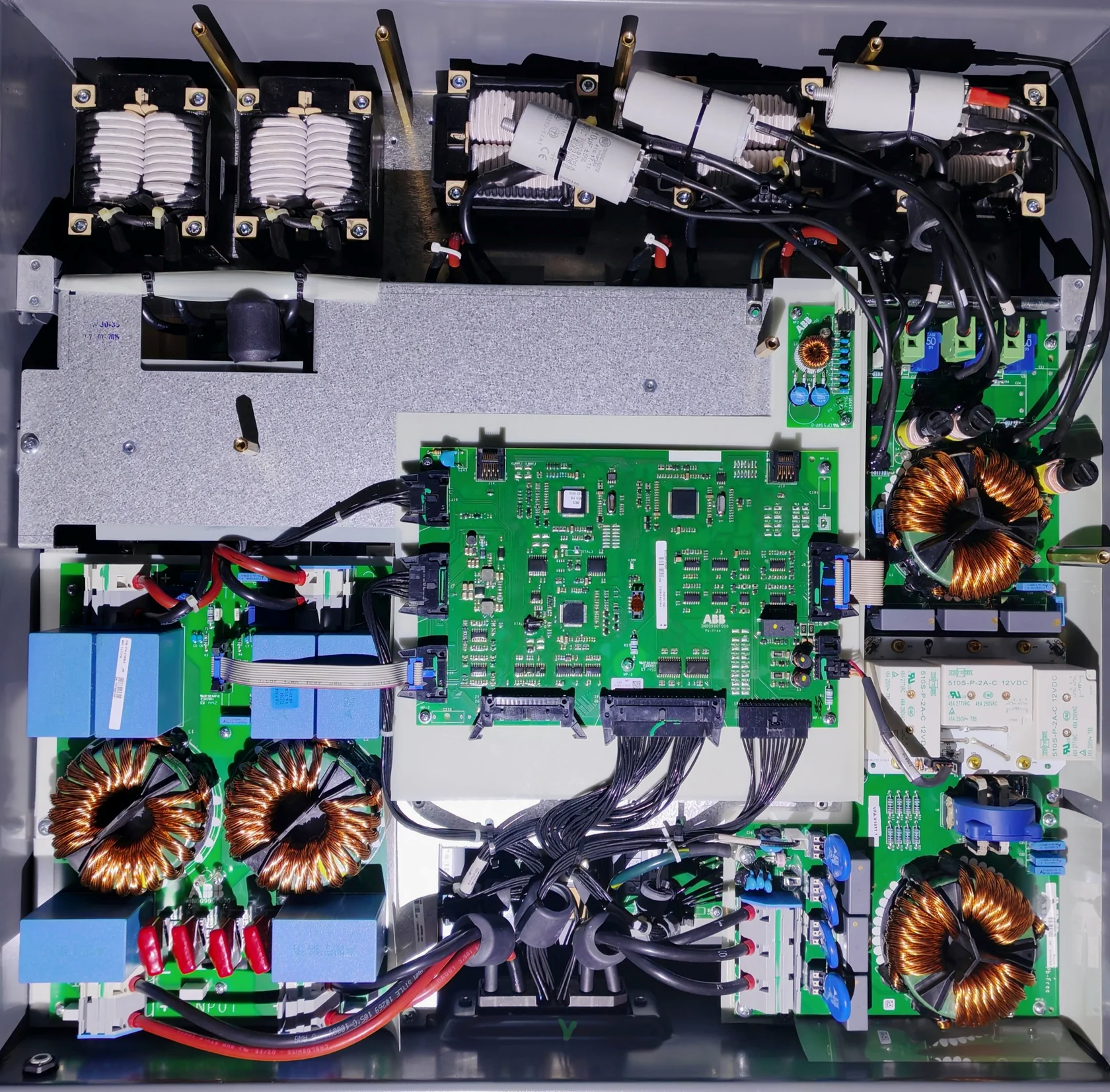
In addition to monitoring each string, a PV system also needs to monitor the combined output current or the DC input current of the inverter. This current is usually larger and is a key input for calculating total power, total generation, and operating status.
HKW22 can be used in the PV DC main circuit or combined output path. With ranges such as 200 A, 300 A, and 500 A, it can be installed on the DC bus, combiner output, or inverter input side to capture main-loop current.
The current sensor itself measures current. Total generation must be calculated from current, voltage, and time. In practical systems, HKW22 is used with voltage sampling modules, data acquisition units, or energy metering modules. The system collects DC voltage and current in real time, calculates instantaneous power, and integrates power over time to obtain daily, monthly, and cumulative generation.
AC output side of inverters
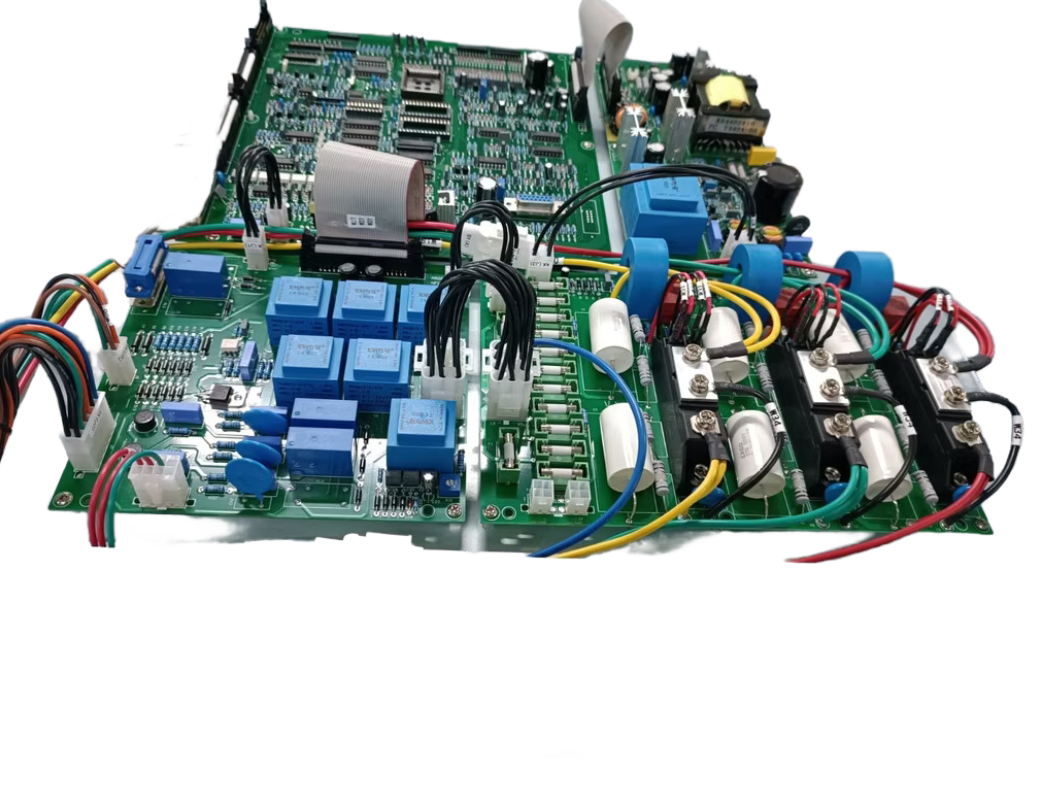
The inverter converts DC power into AC power. Current measurement on the AC output side is used for output power calculation, grid-connection control, overcurrent protection, power factor analysis, harmonic monitoring, and anti-backflow control.
Current transformers are common on the AC output side. Compared with Hall current sensors, current transformers are mainly used for AC measurement. They are mature, cost effective, easy to install, and suitable for energy metering and long-term monitoring. In grid-tied inverters, distribution cabinets, AC combiner boxes, and energy management systems, CTs can collect three-phase output current and work with voltage sampling to calculate active power, reactive power, power factor, and generated energy.
The TA series precision current transformer can measure PV inverter AC output current. It is suitable for PCB-mounted or embedded metering modules used in inverter control, energy meters, power-quality analyzers, home energy management, building energy management, and factory energy management systems. In a three-phase PV inverter, each phase typically uses one CT so the controller can calculate total output power and detect phase loss, overcurrent, imbalance, or abnormal harmonics.
PowerUC advantages in photovoltaic systems
High accuracy and linearity for MPPT and metering
PV MPPT control depends on voltage and current data to calculate the power point. More accurate current measurement helps the controller track the real maximum power point. YHDC closed-loop Hall sensors emphasize accuracy, linearity, low temperature drift, and bandwidth for inverter input, DC bus, and high-accuracy power monitoring.
Coverage across current levels
Small string currents can use PCB-mounted sensors such as HTS25, HKB16, and HAB55. DC main circuits, combiner outputs, and inverter inputs can use higher-current Hall sensors such as HKW22, HA2035, and HA5041. The AC output side can use TA series current transformers for power metering and grid monitoring.
Easy integration with monitoring systems
PowerUC sensors can output voltage, current, or standard signals for acquisition boards, MCUs, PLCs, energy meters, and energy management systems. This supports string-level monitoring, total generation statistics, inverter output power detection, and remote operation and maintenance.