

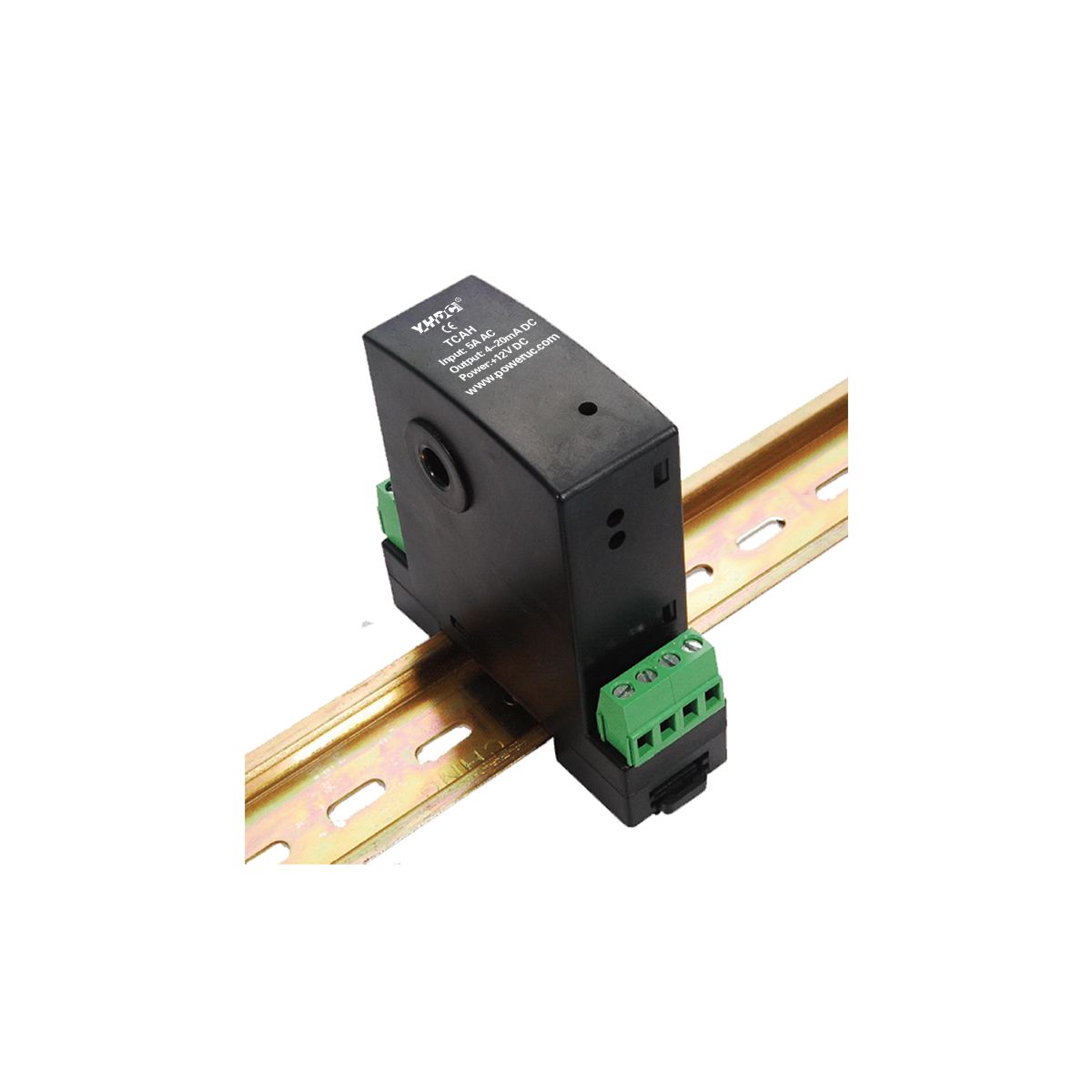
Current sensors serve as the “senses,” responsible for detecting current signals; current transmitters, however, go a step further. They not only detect but also ‘translate’ the detected signals into a universal, standardized “language” that other devices can understand and utilize.
| Current Sensor | Current Transmitter | |
| Signal | Output the raw or primary processed signal. The output signals can take various forms—they may be weak voltages or currents proportional to the measured current, or even digital signals. For example, a Hall‑effect sensor outputs a millivolt‑level voltage signal, while a current transformer (a basic type of current sensor) outputs a small current proportional to the turns ratio (such as 0–5 A). These signals are generally not universal and require further processing by subsequent circuits. | Output standardized industrial signals. Its core function is to convert and amplify the signals detected by the sensor into standardized analog signals commonly used in industrial control systems—most typically a 4–20 mA DC current signal, or a 0–10 V / 0–5 V DC voltage signal. These standardized signals can be directly recognized by devices such as PLCs, DCS systems, and data acquisition cards. |
| Transmission | Short transmission distance, susceptible to interference Prone to electromagnetic interference, cable length, and resistance, leading to signal distortion or errors. Therefore, sensors typically need to be installed close to the signal processing unit.
| Long transmission distance and strong anti‑interference capability. The 4–20 mA current‑loop signal offers excellent resistance to interference. In a current loop, as long as the current remains constant, variations in line resistance do not affect signal accuracy. This makes it highly suitable for reliable long‑distance transmission—up to several hundred meters—from field devices to a central control room. |
| Application | As a core sensing component, it is widely used. It forms the foundation of all current‑measurement applications and is integrated into a wide range of devices. For example: Consumer electronics: Used in smartphone chargers for fast‑charging control. New energy vehicles: Monitors charging and discharging in the Battery Management System (BMS). Inverters / converters: Used for motor control and Maximum Power Point Tracking (MPPT).
| Primarily used in industrial automation and process control systems. When the operating current of field equipment—such as motors or heaters—needs to be used as a parameter and transmitted to a remote PLC or SCADA monitoring system, a transmitter becomes essential. Its role is to serve as a signal bridge between field devices and the control system. |
| Difficulty | More complex to use and requires secondary development. Users must design their own peripheral circuits—such as amplification, filtering, and linear‑compensation circuits—to process the sensor’s raw signal before it can be converted into meaningful data or used for control. This places certain requirements on the user’s circuit‑design capabilities. | Easy to use and plug‑and‑play. The transmitter integrates all necessary signal‑processing circuits internally. Users only need to follow the wiring instructions (power supply, input, and output) to connect it directly to the analog input ports of standard instruments or controllers, without requiring complex circuit design. |
Relationship: A current transmitter can be regarded as an upgraded or integrated version of a current sensor. It contains a built‑in current‑sensing element and adds signal‑conditioning and standardized‑output circuitry.
Key Difference: The essential distinction lies in the nature of the output signal. A sensor outputs the raw material—a primitive, unprocessed signal. A transmitter outputs a standardized, ready‑to‑use signal.
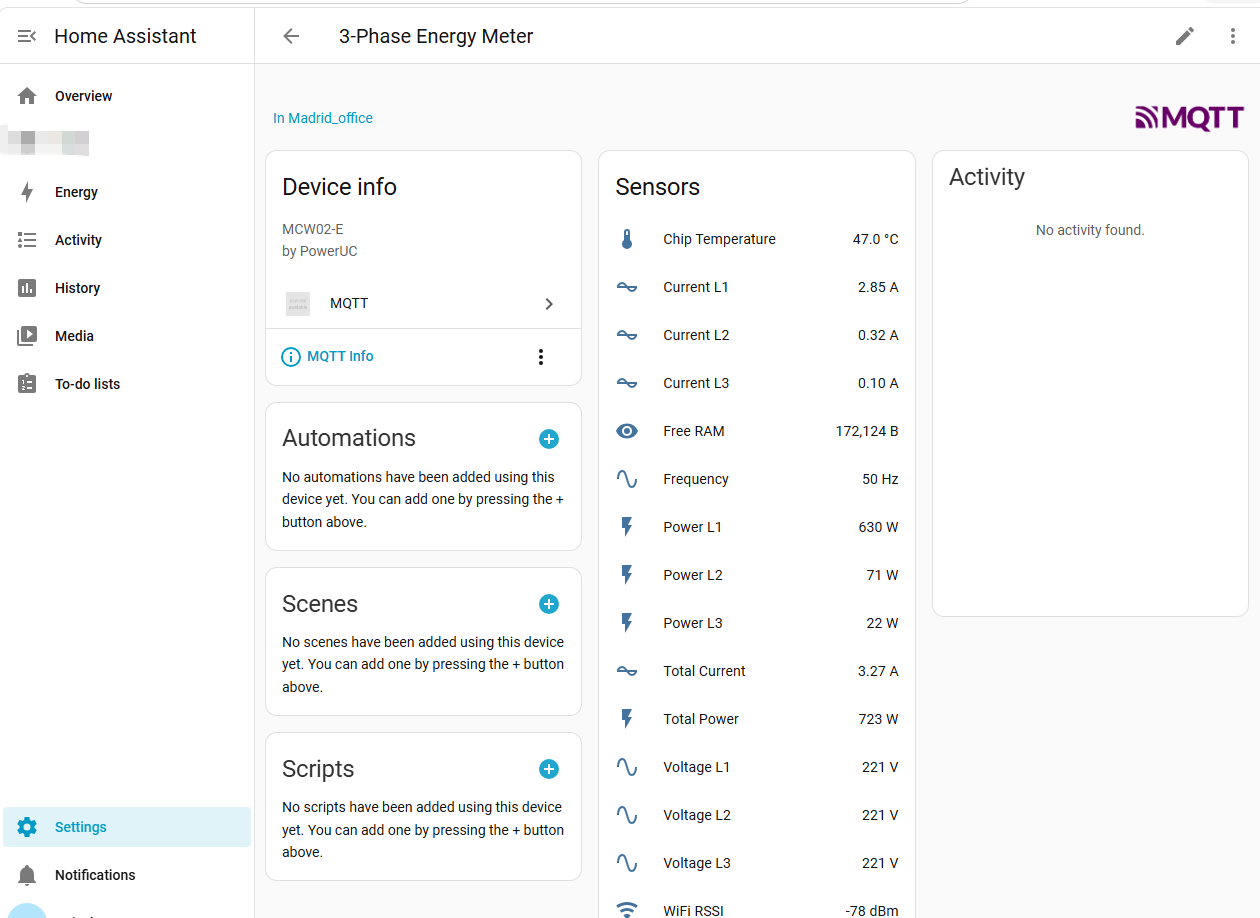
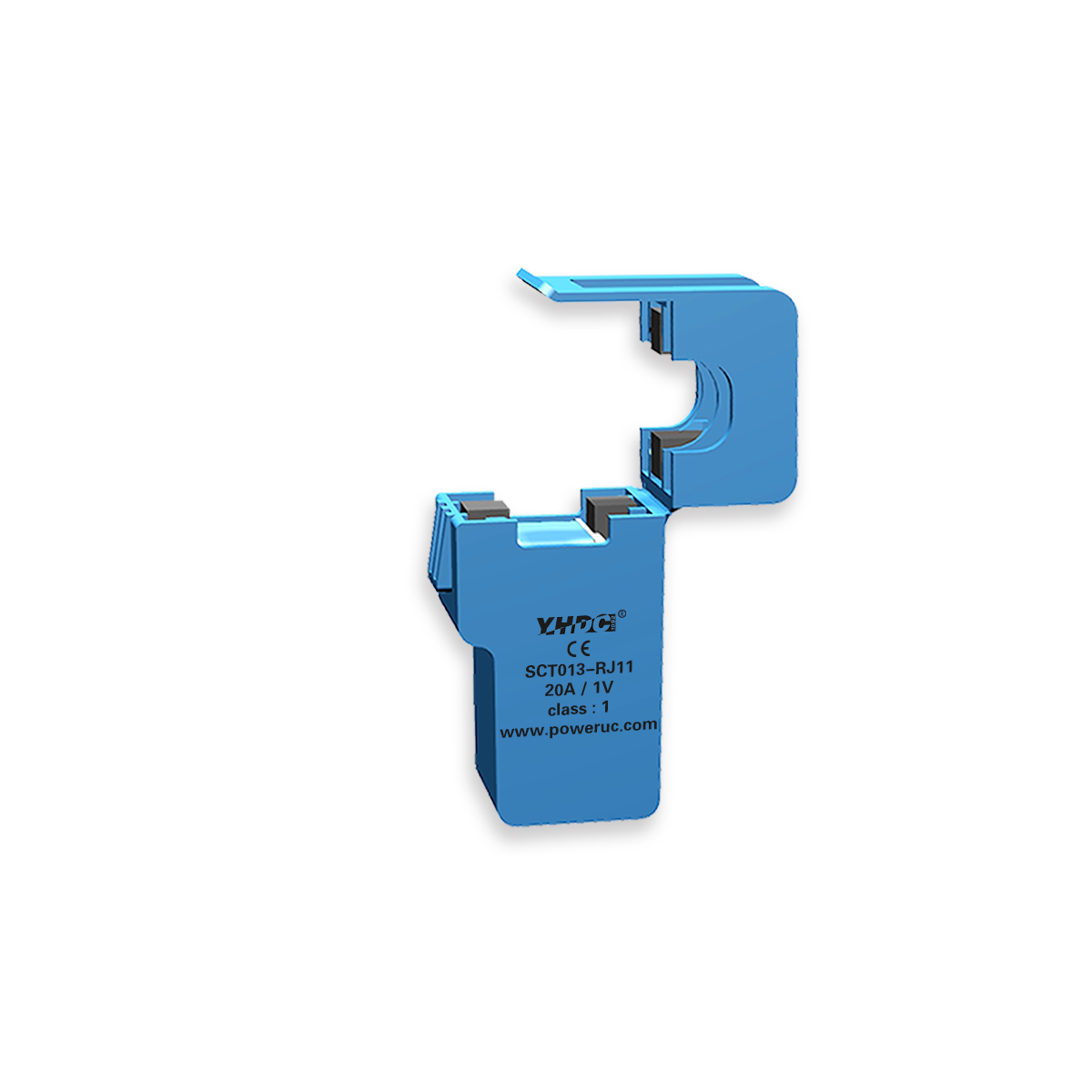
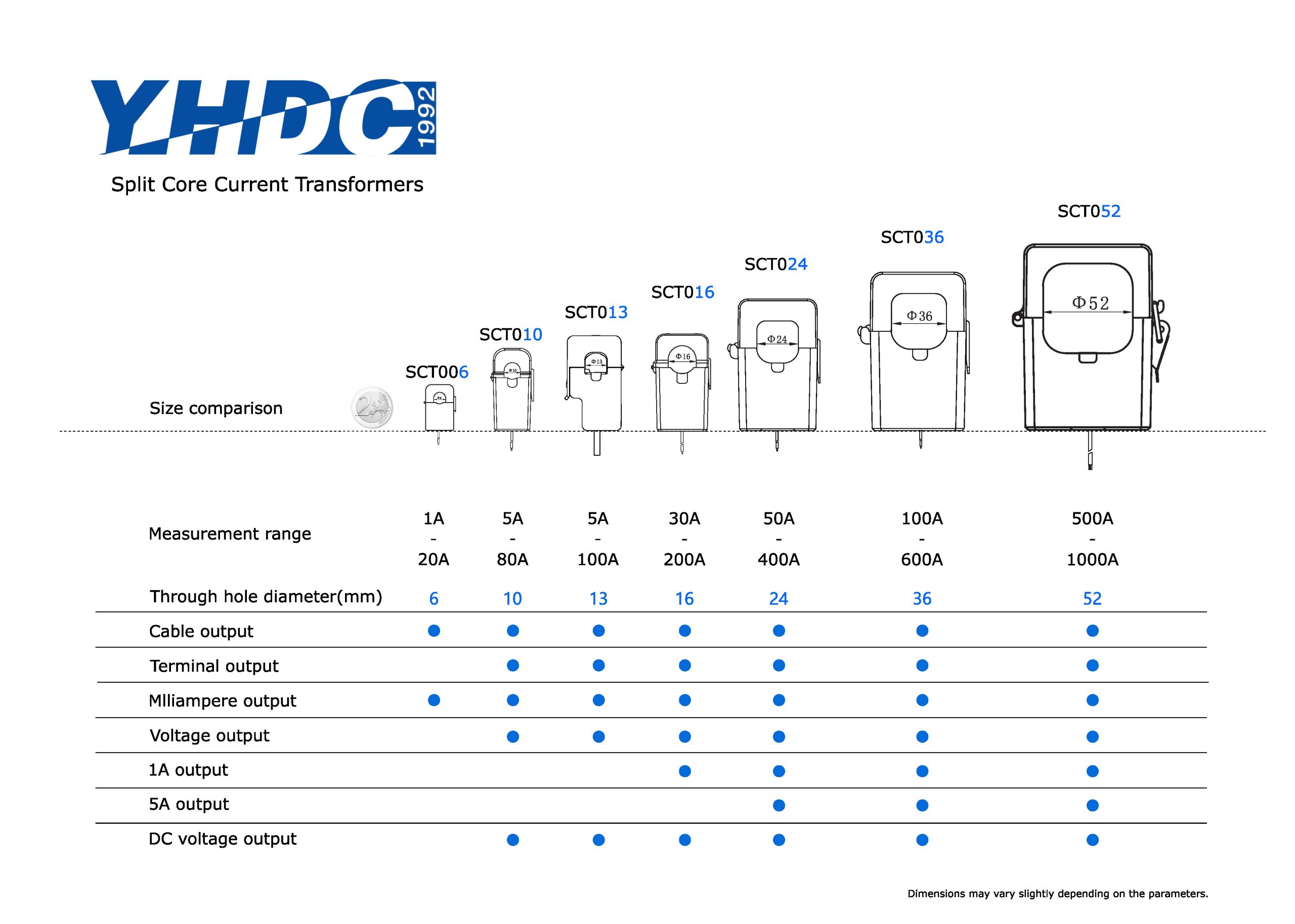
How to Choose:




Copyright © 2024 PowerUC Electronics Co.